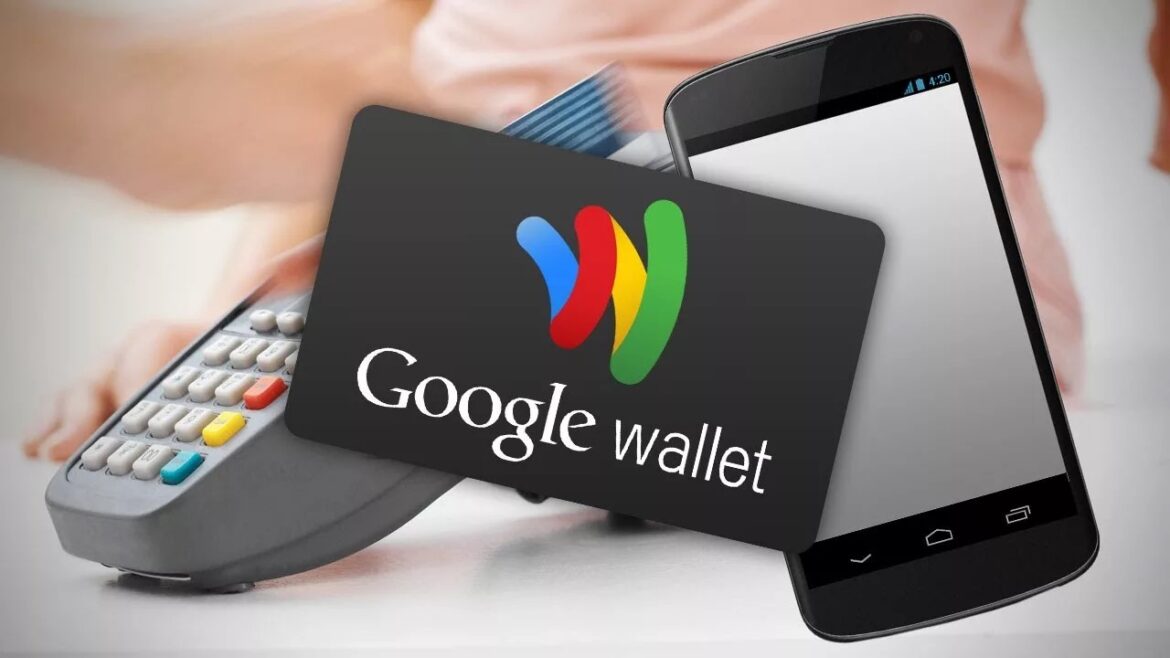
In a game-changing move for Pakistan’s digital economy, Google Wallet has officially launched in the country, signaling a major leap forward in mobile payments. The news sparked buzz across the fintech community, especially on LinkedIn, with experts and tech enthusiasts hailing the development as a turning point for digital financial services in Pakistan.
But what does this actually mean for users, merchants, and the broader payments ecosystem?
What is Google Wallet?
Google Wallet is a digital payment solution that allows users to securely store debit and credit cards on their Android phones. Once linked, users can make tap-to-pay transactions at NFC-enabled point-of-sale (POS) terminals. The app eliminates the need to carry physical wallets, offering a seamless and convenient checkout experience.
However, as of now, the service is limited to Android users and only supports payment cards—no bank transfers or mobile wallet top-ups yet.
Why the Hype?
Google’s entry into the Pakistani fintech market is significant for several reasons:
- Pakistan was among the largest countries without access to Google Wallet.
- It reflects the growing maturity and global relevance of Pakistan’s digital economy.
- It builds trust in mobile payments by leveraging Google’s brand credibility.
- It could drive adoption of Raast P2M and scan-to-pay technologies.
How Google Wallet Could Drive Change
According to Saad Niazi, CEO of Keenu, the launch will likely accelerate behavioral change toward mobile merchant payments in Pakistan. Much like Apple Pay did in Saudi Arabia and the UAE, Google Wallet’s launch could boost transaction volumes and user trust in tap-to-pay technology.
Furthermore, the timing aligns with Pakistan’s broader shift to digital. The Raast P2M system, launched in late 2023, has already onboarded over 700,000 merchants. However, adoption is still slow—with only 0.9 million transactions worth Rs2.9 billion processed between September and December 2024. A user-friendly interface like Google Wallet could be the push needed to normalize such services.
Limitations of Google Wallet in Pakistan
While promising, there are notable limitations:
- Card-only functionality: Google Wallet doesn’t support mobile wallet or bank account integrations yet. With just 56.4 million payment cards in circulation, its current reach is limited compared to apps like JazzCash (64 million users) and Easypaisa (21 million users).
- NFC Compatibility: The service relies on NFC-enabled phones, which are relatively rare in Pakistan. Many budget smartphones lack NFC functionality, a deliberate move by assemblers to reduce costs.
- Limited device coverage: Without widespread NFC support, tap-to-pay adoption could face short-term roadblocks.
Despite these hurdles, the long-term potential remains strong. NFC costs are declining, and increased demand could push local manufacturers to include this feature in more devices. Additionally, POS terminals across Pakistan are rapidly upgrading to support tap-and-pay payments.
Industry Reactions and Future Outlook
Industry leaders are optimistic. Aamir Aftab, Chief Product Officer at JazzCash, sees Google Wallet as an opportunity to encourage card adoption in a mobile-first market. By integrating with Google Wallet, platforms like JazzCash can offer hybrid experiences—combining card and wallet transactions under one umbrella.
Karim Jindani, CEO of Paysys Labs, offers a broader perspective: for Pakistan to truly revolutionize payments, it must look beyond cards. Drawing from global examples like Brazil’s Pix and India’s UPI, he suggests Pakistan should invest in scalable peer-to-peer (P2P) and peer-to-merchant (P2M) infrastructure, backed by thoughtful policy and innovation.
Conclusion
Google Wallet’s arrival in Pakistan is more than just a tech upgrade—it’s a sign that the global fintech world sees potential in the country’s rapidly growing digital ecosystem. While the service currently faces some limitations, it has the potential to reshape consumer habits, accelerate Raast P2M adoption, and create a more seamless digital payment experience.
The key will be how effectively local businesses, policymakers, and fintechs can build on this momentum to create an inclusive and scalable payment infrastructure for all.