
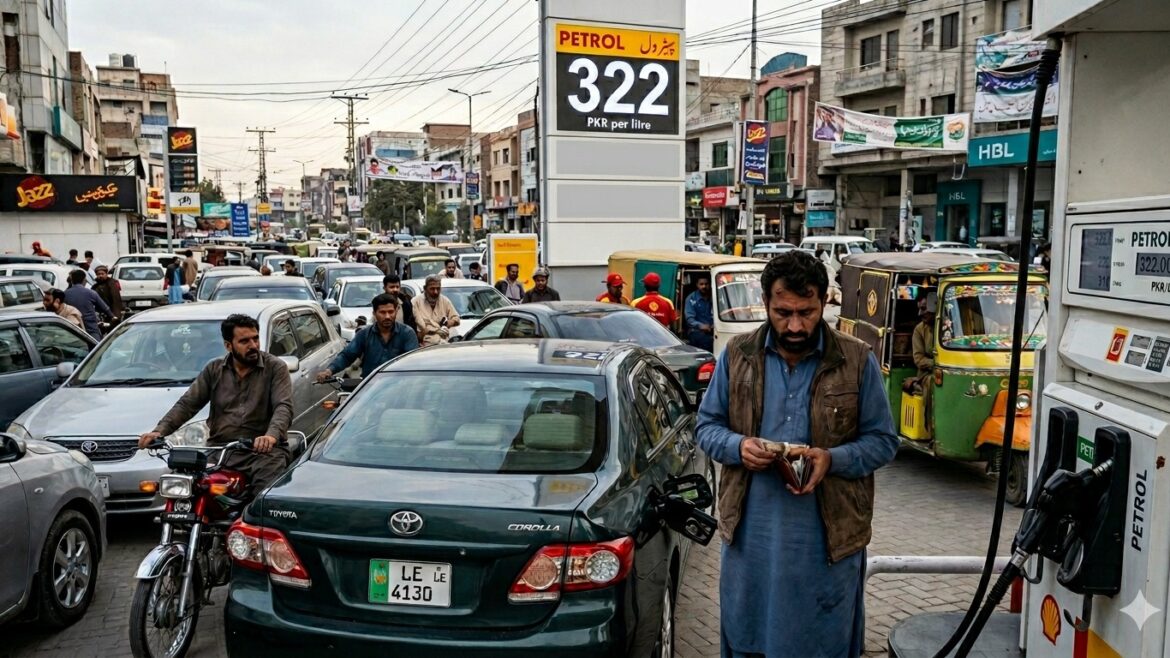
Pakistan is once again facing the possibility of a major fuel price hike. Petrol prices are expected to rise sharply and may cross Rs350 per litre in the coming days. This increase comes as the government struggles to manage the growing burden of fuel subsidies and rising global oil prices. As a result, the impact could be widespread, affecting transportation, food prices, and the overall cost of living.
Why Petrol Prices Are Increasing
The primary reason behind the expected hike is the widening gap between local fuel prices and international oil costs. Currently, authorities estimate:
- A difference of nearly Rs100 per litre for petrol
- Over Rs200 per litre gap for diesel
Because of this, the government is under pressure to pass on most of the cost to consumers.
In addition, global oil prices have surged due to geopolitical tensions, especially the ongoing conflict involving Iran and the United States. This has disrupted oil supply chains and increased volatility in energy markets worldwide.
Government’s Strategy on Fuel Subsidies
To control the financial burden, the government is reconsidering its subsidy policy. In March 2026 alone, around Rs129 billion was spent on fuel subsidies. However, the total subsidy limit is expected to remain capped at Rs158 billion.
Therefore, policymakers are now exploring a new approach:
- Passing most fuel costs to the public
- Providing targeted subsidies for specific groups
- Motorbike riders
- Farmers
At the same time, provincial governments may also share the subsidy burden. Punjab and Sindh could contribute based on population, while Khyber Pakhtunkhwa and Balochistan may contribute based on fuel consumption.
Political and Economic Challenges
Despite these plans, the situation remains politically sensitive. Passing the full price increase to consumers could trigger public backlash. On the other hand, continuing subsidies at the current level is financially unsustainable. This puts the government in a difficult position. Balancing economic stability with public relief is becoming increasingly challenging.
Global Fuel Price Trends
Pakistan is not alone in facing rising fuel prices. In fact, more than 85 countries have reported increases due to global oil market disruptions.
For example:
- European countries like Spain, Germany, and France have seen price hikes
- The United Kingdom has also reported increased fuel costs
- Vietnam experienced one of the highest surges, with prices rising nearly 50%
These global trends highlight how international events directly impact local economies like Pakistan.
Impact on Inflation in Pakistan
The expected petrol price hike will likely worsen inflation across multiple sectors. According to recent data:
- Transport costs increased by 12.49%
- Housing and utilities rose by 11.50%
- Education costs surged by over 9%
- Healthcare expenses increased by 7.36%
- Food prices went up by 3.55%
As fuel prices rise, transportation becomes more expensive. Consequently, this leads to higher costs for goods and services across the board.
What It Means for Everyday Pakistanis
For the average citizen, this development could significantly affect daily life. Higher petrol prices mean:
- Increased commuting costs
- Higher food prices due to transport expenses
- Rising utility and service charges
Although targeted subsidies may provide some relief, many households will still feel the financial pressure.
Conclusion
Pakistan stands at a critical point as it navigates rising global oil prices and internal financial constraints. The expected petrol price hike reflects deeper economic challenges, including subsidy management and inflation control. While the government aims to balance relief and fiscal responsibility, the coming days will be crucial in determining how much burden is passed on to the public.
