
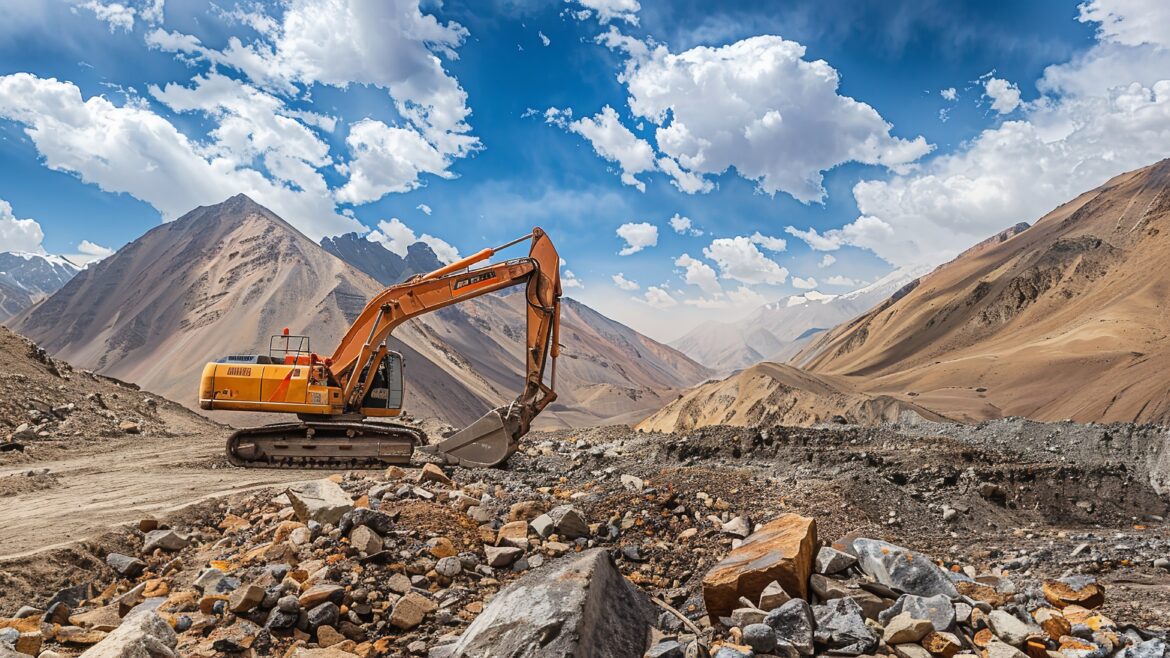
Pakistan has positioned its mineral sector as a key driver of future economic growth. At the same time, it aims to deepen long-term cooperation with China. This vision was highlighted at the Pak–China Mineral Cooperation Forum held in Islamabad. The event brought together policymakers, diplomats, and industry leaders from both countries.
Notably, the forum coincided with 75 years of diplomatic relations between Pakistan and China. As a result, both sides agreed to expand cooperation beyond infrastructure and energy. In particular, mining and mineral processing were identified as priority areas for the next phase of engagement.
Mineral Development Declared a Strategic Priority
Planning, Development and Special Initiatives Minister Ahsan Iqbal stated that mineral development is now a strategic priority for Pakistan. Previously, CPEC projects had focused on power and infrastructure. However, the government now sees minerals as a long-term growth engine.
Moreover, he emphasized that responsible mining could support industrial expansion and job creation. At the same time, it could unlock economic potential in underdeveloped regions across the country.
China Reaffirms Support for Sustainable Mining
Chinese Ambassador Jiang Zaidong reaffirmed China’s strong interest in Pakistan’s mineral sector. In addition, he stressed the importance of capacity building and technology transfer. Importantly, he noted that environmental protection must remain central to all mining activities.
For example, he referred to the Saindak Copper-Gold Project, where over 5,200 local workers have been trained. Consequently, the project has strengthened local skills and community engagement. Furthermore, he said China would continue supporting people-focused initiatives.
Critical Minerals Gain Global Importance
Energy Minister Ali Pervaiz Malik highlighted the rising global demand for critical minerals. This trend is largely driven by the global energy transition. Therefore, Pakistan is moving toward a value-added and well-regulated mining framework.
Additionally, the government is strengthening regulatory oversight and approval mechanisms. Meanwhile, Malik highlighted China’s expertise in rare earths, copper smelting, and mineral refining, calling it highly relevant to Pakistan’s needs.
Currently, several joint ventures are already operational. These include the Saindak Project, the Duddar Lead-Zinc Project, and the Sindh Engro Coal Mining Company. Going forward, cooperation is expected to expand into new copper-gold prospects.
Launch of Pak–China E-Mining Platform
One of the forum’s most important outcomes was the launch of the Pak–China E-Mining Platform. Specifically, the platform aims to improve transparency and coordination. In turn, it will connect Pakistani authorities with Chinese enterprises more efficiently.
As a result, investors are expected to benefit from better access to data and streamlined approvals. Additionally, several MoUs were signed to strengthen technical and investment cooperation.
Geological Surveys and Investment Momentum
The forum also highlighted cooperation between the Geological Survey of Pakistan and the China Geological Survey. Since 2010, this collaboration has completed nationwide geochemical sampling. Now, Pakistan is moving toward higher-resolution geological surveys.
Meanwhile, Board of Investment Minister Qaiser Ahmed Sheikh noted growing private-sector engagement. In fact, hundreds of Pakistani companies have engaged with Chinese firms. Consequently, the government is focused on converting MoUs into real investments.
CPEC Vision Extends Beyond Infrastructure
Separately, Minister Ahsan Iqbal visited the Pak–China Friendship Hospital in Gwadar. During the visit, he inaugurated a new diagnostic block. Currently, the hospital provides free treatment to over 1,100 patients daily.
According to the minister, CPEC’s vision goes beyond roads and power plants. Instead, it also prioritizes healthcare, education, and social welfare. Therefore, the hospital stands as a symbol of people-centered cooperation.
Conclusion
In conclusion, the Pak–China Mineral Cooperation Forum marks a new chapter in bilateral relations. Overall, mining and mineral processing are emerging as strategic growth sectors. With digital platforms, policy stability, and sustainable practices, Pakistan aims to unlock its mineral potential. Ultimately, this approach will strengthen long-term economic cooperation with China.
